COGNITION CONTROL
Five instruments. One operator. Nineteen days.
The mind has been running you. You stopped noticing when it started.
You lay down at night and it does not switch off. You sit down to focus and it is already inside three other conversations. You make a decision and discover, an hour later, that the decision had already been made by something faster — and you are now defending it. The mind generates tens of thousands of thought-fragments a day, runs your mood, your reactivity, your relationships, your appetite — and asks no permission for any of it.
You have lived inside this arrangement so long that you have stopped recognizing it as an arrangement. You call it "me."
It is not you. It is an instrument you were never trained to operate. Most adults will go their entire lives without being shown the controls.
Five instruments. One operator. Twenty-three days.
COGNITION CONTROL is the operator's training. Not a technique, not a meditation, not a discipline that asks for belief. Five precision protocols, sequenced and dosed. Each one installs a specific skill the next protocol depends on. Skipping order does not work — the architecture is built into the order.
01 · INTERCEPT — Observation. The skill of seeing thought from the bank instead of from inside the current. (Free. Entry point.)
02 · SWITCHBOARD — Distinction. The skill of standing slightly behind everything you call "I."
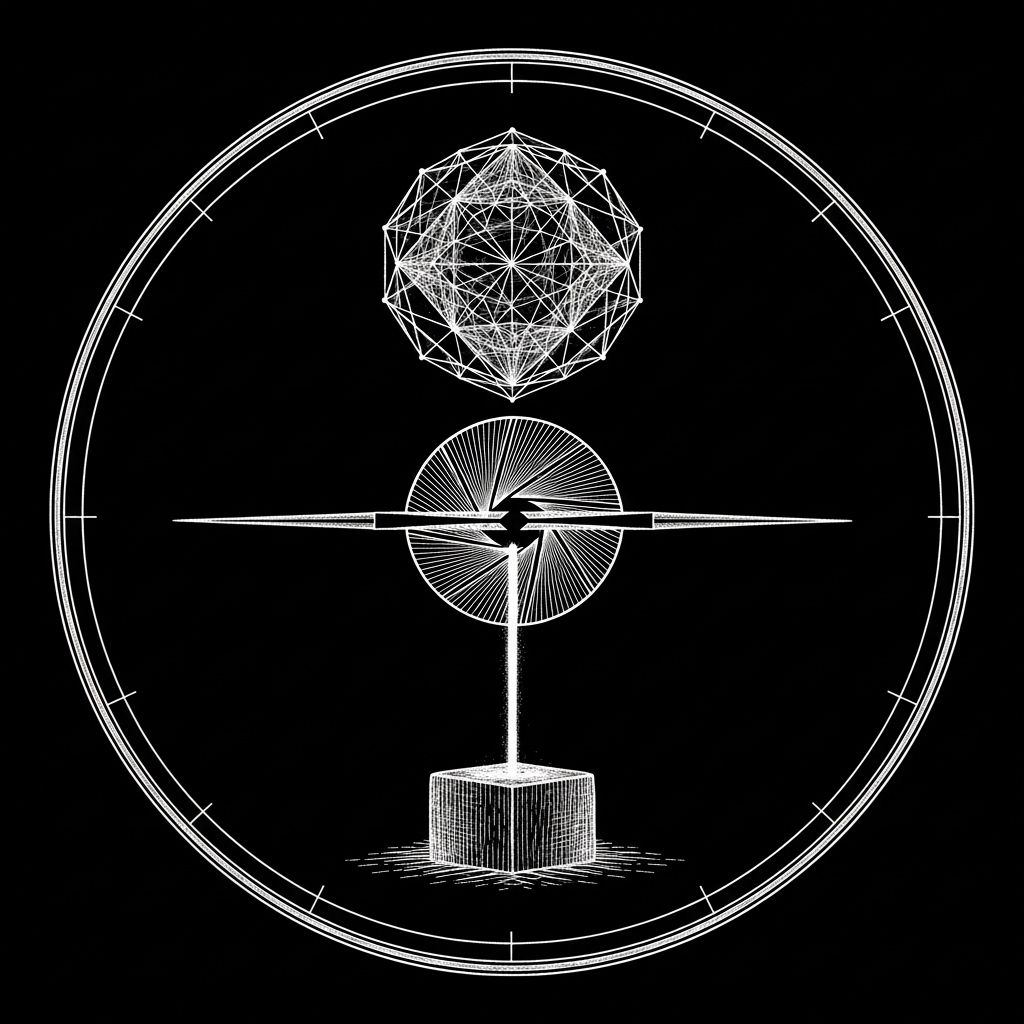
03 · DISPATCH — Control. The skill of calling a thought into the room, holding it, and releasing it on command.
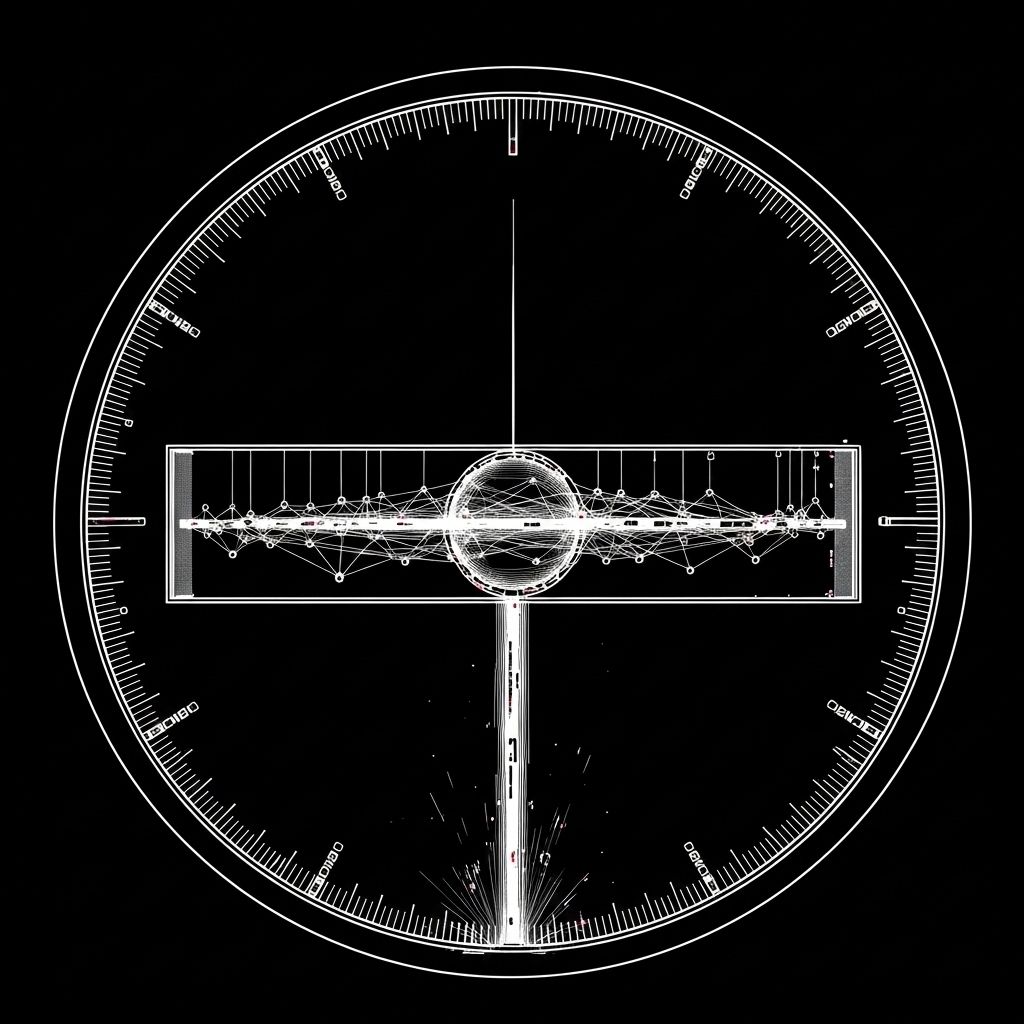
04 · CHECKPOINT — Filtration. The skill of installing one breath between every impression and your reaction to it — built across four weeks.
05 · ZERO STATE — Silence. The single controlled entry into what is underneath every other instrument.
Each protocol ships on a delay calibrated to the time the brain actually needs to install the previous skill — three to seven days between deliveries. The pacing is not motivational. It is the minimum interval the work requires.
How it's delivered
Day zero, the moment you join: the introductory dossier — rules, prerequisites, contraindications. Day one, on your trigger: INTERCEPT. Day four: SWITCHBOARD. Day nine: DISPATCH. Day twelve: CHECKPOINT, with four weeks of daily practice ahead of it. Day nineteen: ZERO STATE. Day twenty-four: the closing dispatch and the post-series operator's notes.
Each protocol opens as a private, designed page in the vault — full text, audio guide, heritage, neuroscience, the operator's context, and the failure modes that ship with the practice. You receive ninety days of vault access from the day of purchase. Every protocol remains repeatable for the full window.
What you have at the end
A different relationship with your own mind. Not a quieter one — a more honest one. The thoughts you had been treating as yours become events you watch arrive and leave. The ones you had been defending become components you can set down without losing yourself. The ones you could not get rid of become ones you release on command. The reaction that used to fire before you noticed it has, by week four, a small visible pause already attached to it.
And underneath all of the above, a coordinate the body now remembers — a place that can be returned to without re-running the full series. The operator who finishes the protocol set is not a calmer version of the person who started. It is someone who, for the first time, is holding the controls.
Start free
INTERCEPT — the first instrument — is the free entry point. Run it for three or four mornings. If the map of your own mind begins to surprise you, the architecture above is what comes next.
"You can spend a lifetime arguing with the current. You can also spend twenty-three days learning to stand on the bank."

INTERCEPT
See the current of thought from outside it.

SWITCHBOARD
The "I" you defend is movable.
DISPATCH
Call up a thought. Hold it. Release it on command.
CHECKPOINT
One breath between impression and reaction.

ZERO STATE
Controlled entry into non-objective awareness — through engineered overload.